Key Features of Mooring Ropes
Design and Construction
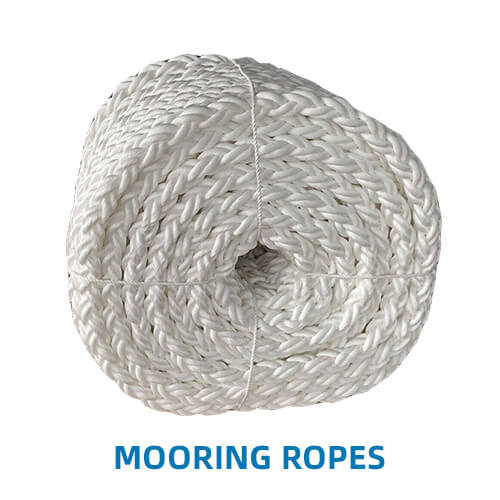
Mooring ropes feature high-tensile synthetic fiber construction using polypropylene, polyester, nylon, HMPE, or mixed fiber materials engineered for marine operations. Manufacturers design these ropes with braided or twisted configurations to provide excellent strength, flexibility, abrasion resistance, and long-term offshore durability.
Types
Mooring ropes are available in polypropylene ropes, polyester mooring ropes, nylon ropes, HMPE ropes, braided ropes, 8-strand ropes, 12-strand ropes, and combination wire rope mooring systems. Different constructions support varying vessel sizes and offshore operational requirements.
Applications
Marine mooring ropes are widely used for vessel mooring, offshore platform securing, ship docking, towing support, anchor handling, port operations, and marine terminal applications. They support safe vessel positioning and line handling operations across commercial shipping and offshore industries.
Performance and Benefits
These mooring ropes provide high tensile strength, excellent shock absorption, low elongation options, and superior resistance to abrasion, UV exposure, and seawater conditions. Advanced fiber construction improves handling performance while ensuring safe and stable vessel securing during offshore operations.
Maintenance and Care
Regular inspection of rope surfaces, splices, wear points, and abrasion damage helps maintain safe operational performance. Cleaning ropes after saltwater exposure, proper coiling, and dry storage conditions extend rope lifespan and reduce premature deterioration.
Safety Considerations
Operators must always use mooring ropes within certified working load limits and approved mooring procedures. Regular inspection for cuts, abrasion, chemical exposure, and fiber damage is essential to maintain safe vessel securing and prevent line failure during marine operations.
Advantages of Mooring Ropes
- High-strength vessel securing solution for marine operations
- Excellent shock absorption and load handling capability
- Durable abrasion-resistant construction for offshore environments
- Lightweight and easy-to-handle rope configurations
- Suitable for ships, ports, and offshore platforms
- Resistant to seawater, UV exposure, and harsh weather conditions
- Available in multiple fiber materials and rope constructions
- Improves vessel stability during docking and mooring operations
- Long operational lifespan with proper maintenance
- Supports safe and efficient marine line handling activities
Considerations for Mooring Ropes
- Select rope material based on vessel size and operational requirements
- Verify working load limits and breaking strength before use
- Conduct regular inspection for abrasion, cuts, and fiber damage
- Ensure compatibility with winches, capstans, and fairleads
- Avoid chemical exposure and improper rope handling procedures
- Store ropes properly in dry and ventilated conditions
- Monitor rope tension during mooring and offshore operations
- Replace damaged or excessively worn ropes immediately
- Follow approved marine mooring safety procedures and regulations
- Select marine-certified mooring ropes approved for offshore applications