
Key Features of HF Radios
Design and Construction
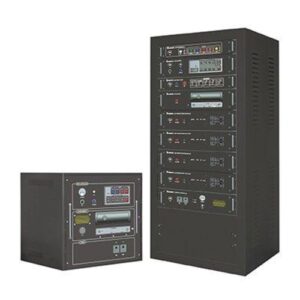
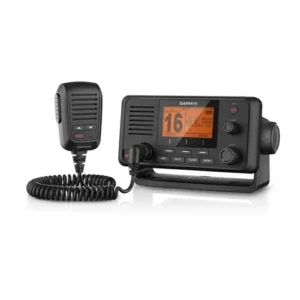
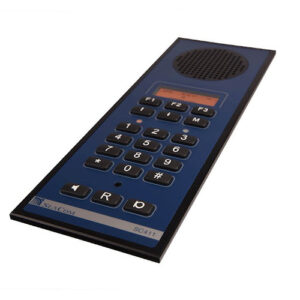
Marine HF Radios feature rugged marine-grade construction engineered to withstand vibration, humidity, saltwater exposure, and continuous onboard operation. Corrosion-resistant housings, illuminated control panels, and heavy-duty communication modules ensure durability and reliable performance in demanding marine environments.
Types
HF Radios are available in fixed-mount, DSC-enabled, digital selective calling, and integrated GMDSS communication systems. Some models support voice communication, email transmission, weather fax reception, and data communication for enhanced offshore connectivity.
Applications
Marine HF Radios support long-distance vessel communication, offshore coordination, emergency distress transmission, weather monitoring, and ship-to-shore communication. They are widely used on cargo vessels, tankers, offshore support vessels, fishing fleets, coast guard ships, and ocean-going yachts operating beyond VHF communication range.
Performance and Benefits
These radios provide reliable long-range communication across international waters using high-frequency radio waves. Advanced signal processing, noise reduction technology, and frequency tuning capabilities ensure clear communication even in adverse weather and remote offshore conditions.
Maintenance and Care
Regular inspection of antennas, grounding systems, connectors, and communication modules helps maintain signal quality and operational reliability. Operators should conduct routine frequency testing, software updates, and preventive maintenance checks to ensure uninterrupted marine communication performance.
Safety Considerations
HF Radios play a critical role in maritime emergency communication and GMDSS compliance. DSC distress alert functions enable rapid emergency transmission with vessel identification details. Proper antenna installation, grounding protection, and regular testing improve communication reliability during critical offshore emergencies.
Advantages of HF Radios
- Long-range global marine communication capability
- Reliable offshore and ocean-going vessel connectivity
- Supports GMDSS and emergency distress communication
- Clear communication in remote maritime regions
- Compatible with weather fax and maritime safety information systems
- Durable marine-grade construction for harsh sea conditions
- Enhances vessel safety and operational coordination
- Supports voice, data, and emergency communication functions
- Suitable for commercial, offshore, and naval marine applications
- Improves communication reliability beyond VHF coverage areas
Considerations for HF Radios
- Select frequency range based on operational sea routes and communication requirements
- Ensure compatibility with onboard GMDSS and navigation systems
- Install antennas and grounding systems correctly for optimal transmission performance
- Conduct regular communication testing and preventive maintenance
- Verify compliance with international maritime communication regulations
- Consider power consumption and backup communication requirements
- Evaluate environmental resistance for offshore and deep-sea operations
- Choose DSC-enabled systems for enhanced emergency communication capability
- Ensure crew familiarity with HF communication procedures and operation
- Select marine-certified models approved by international maritime safety standards