
Key Features of VHF Radios
Design and Construction
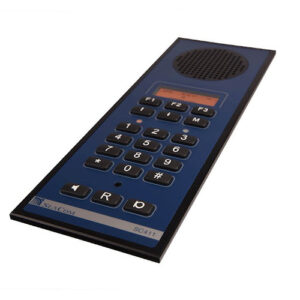
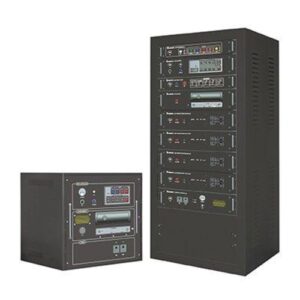
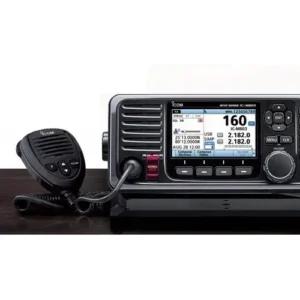
Marine VHF Radios feature rugged waterproof construction engineered for continuous use in demanding sea conditions. Manufacturers use corrosion-resistant materials, sealed control panels, and high-visibility displays to ensure durability and ease of operation. Compact mounting options allow seamless installation on bridges, control consoles, and navigation stations.
Types
VHF Radios are available in fixed-mount, handheld, DSC-enabled, and AIS-integrated models. Fixed units provide higher transmission power and permanent onboard communication, while handheld radios offer portability for deck operations, emergency response, and backup communication systems.
Applications
Marine VHF Radios support vessel-to-vessel communication, ship-to-shore coordination, distress calls, harbor operations, and offshore communication. They are widely used on cargo vessels, fishing boats, patrol boats, yachts, offshore rigs, and passenger ferries for safe maritime navigation and operational coordination.
Performance and Benefits
These radios deliver clear audio transmission, reliable signal strength, and extended communication range even in rough weather conditions. Advanced noise cancellation, dual-watch monitoring, GPS connectivity, and DSC emergency features improve communication efficiency and maritime safety during critical operations.
Maintenance and Care
Regular cleaning of antennas, connectors, and control panels helps maintain optimal performance. Operators should inspect power connections, update firmware when required, and test emergency communication functions periodically to ensure reliable operation during emergencies.
Safety Considerations
Marine VHF Radios play a critical role in onboard safety and emergency response. DSC-enabled systems allow instant distress alerts with vessel location details, while dedicated emergency channels ensure rapid communication with nearby vessels and coast guards. Proper antenna installation and regular testing improve communication reliability.
Advantages of VHF Radios
- Reliable long-range marine communication
- Clear audio quality in harsh sea conditions
- Essential for emergency distress signaling
- Waterproof and corrosion-resistant construction
- Easy integration with GPS and AIS systems
- Compact and user-friendly operation
- Suitable for commercial and recreational vessels
- Supports IMO and SOLAS communication requirements
- Enhances navigation safety and crew coordination
- Available in handheld and fixed-mount configurations
Considerations for VHF Radios
- Select transmission power based on vessel size and operational range
- Ensure compatibility with onboard navigation and communication systems
- Choose waterproof and marine-certified models for offshore use
- Install antennas correctly for maximum signal performance
- Verify DSC and GPS integration requirements before installation
- Conduct regular communication testing and maintenance
- Follow local maritime communication regulations and licensing requirements
- Consider battery backup options for emergency communication systems
- Evaluate display visibility for day and night bridge operations
- Select models approved by international marine safety standards