Key Features of Alfa Laval Plate Heat Exchanger
Design and Construction
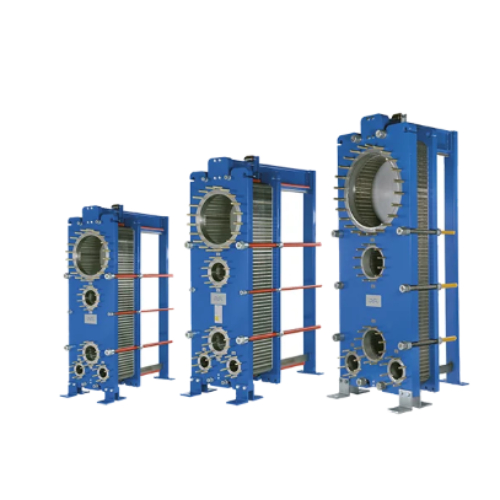
Alfa Laval plate heat exchangers feature precision-engineered stainless steel plates, high-performance gasket systems, and compact modular construction. Manufacturers design these units to maximize heat transfer efficiency, minimize pressure loss, and provide reliable operation in demanding marine and offshore environments.
Types
Alfa Laval plate heat exchangers are available in gasketed plate heat exchangers, brazed plate heat exchangers, semi-welded heat exchangers, fully welded heat exchangers, freshwater coolers, oil coolers, and customized marine heat transfer systems. Different models support diverse vessel and offshore applications.
Applications
These heat exchangers are widely used for marine engine cooling, lubricating oil cooling, hydraulic oil cooling, central cooling systems, HVAC applications, freshwater generators, ballast water systems, and offshore process cooling operations. They support commercial ships, offshore platforms, ferries, and marine industrial facilities.
Performance and Benefits
Alfa Laval plate heat exchangers provide exceptional heat transfer efficiency, compact installation, reduced energy consumption, and reliable temperature control. Advanced plate technology increases thermal performance while reducing maintenance requirements and supporting long-term operational reliability.
Maintenance and Care
Regular inspection of plates, gaskets, connections, and fluid flow conditions helps maintain optimal thermal efficiency. Scheduled cleaning, gasket replacement, pressure testing, and preventive maintenance reduce fouling and extend equipment service life in marine environments.
Safety Considerations
Heat exchangers must operate within approved pressure and temperature limits during marine operations. Operators should monitor system performance, inspect gasket integrity, and conduct routine maintenance to prevent leaks, pressure loss, and operational failures.
Advantages of Alfa Laval Plate Heat Exchanger
- High-efficiency heat transfer for marine and offshore applications
- Compact design saves valuable onboard installation space
- Reduces energy consumption and operational costs
- Reliable cooling performance for engines and auxiliary systems
- Durable stainless steel construction for marine environments
- Easy maintenance with accessible plate pack design
- Supports freshwater, oil, and HVAC cooling systems
- Modular design allows capacity expansion when required
- Long operational lifespan with dependable performance
- Trusted Alfa Laval technology used across the global marine industry
Considerations for Alfa Laval Plate Heat Exchanger
- Select heat exchanger capacity based on cooling requirements
- Ensure compatibility with system pressure and temperature conditions
- Verify plate and gasket materials for fluid compatibility
- Conduct regular inspection of plates and sealing components
- Maintain scheduled cleaning and preventive maintenance programs
- Monitor thermal performance and pressure drop continuously
- Use genuine replacement gaskets and spare parts when required
- Ensure proper installation and piping alignment onboard
- Replace damaged plates or worn gaskets immediately
- Select marine-approved Alfa Laval heat exchangers suitable for vessel operations