Key Features of Keel Coolers
Design and Construction
Keel coolers feature robust pipe or tube-based heat exchanger construction mounted externally along the vessel hull. Manufacturers use copper-nickel, stainless steel, or corrosion-resistant marine alloys engineered to withstand seawater exposure, vibration, and continuous marine engine cooling operations.
Types
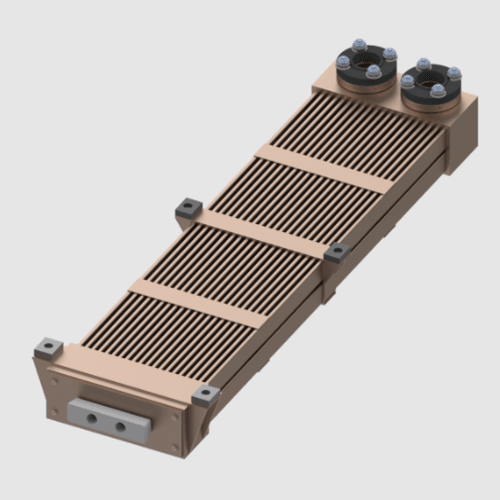
Keel coolers are available in box coolers, grid coolers, pipe keel coolers, modular cooling systems, and customized marine heat exchanger configurations. Different sizes and cooling capacities support propulsion engines, generators, hydraulic systems, and auxiliary marine equipment cooling applications.
Applications
Marine keel coolers are widely used in tugboats, fishing vessels, barges, offshore support vessels, dredgers, ferries, military vessels, and workboats. They support engine cooling, hydraulic oil cooling, gearbox cooling, and auxiliary system temperature control in demanding marine operations.
Performance and Benefits
These keel coolers provide efficient closed-loop cooling performance while eliminating seawater circulation inside engine systems. Their design reduces corrosion risks, minimizes maintenance requirements, and improves engine reliability during long-term marine and offshore operations.
Maintenance and Care
Regular inspection of cooling pipes, hull mounting brackets, marine growth buildup, and coolant circulation systems helps maintain efficient heat transfer performance. Periodic cleaning and corrosion monitoring improve operational efficiency and extend cooler lifespan in marine environments.
Safety Considerations
Proper coolant flow monitoring, leak inspection, and temperature management are essential for safe engine cooling operations. Operators should ensure secure hull installation, corrosion protection, and routine system inspection to prevent overheating and cooling system failures during vessel operation.
Advantages of Keel Coolers
- Efficient closed-loop marine engine cooling solution
- Eliminates seawater circulation inside engine systems
- Reduces corrosion and internal scaling risks
- Low maintenance cooling system for marine vessels
- Durable marine-grade construction for harsh environments
- Suitable for propulsion engines and auxiliary systems
- Improves engine reliability and cooling performance
- Reduces operational downtime and maintenance costs
- Ideal for shallow water and debris-prone operations
- Long service life with reliable heat transfer efficiency
Considerations for Keel Coolers
- Select cooling capacity based on engine and vessel requirements
- Ensure compatibility with vessel hull design and installation space
- Verify proper coolant circulation and flow rates during operation
- Conduct regular inspection for marine growth and corrosion buildup
- Ensure secure mounting and hull penetration sealing
- Monitor operating temperatures during continuous vessel operation
- Choose corrosion-resistant materials for seawater exposure
- Maintain scheduled cleaning and preventive maintenance programs
- Consider vessel operating environment and water conditions
- Select class-approved keel coolers certified for marine applications