
Key Features of Marine Winch
Design and Construction
Marine winches feature heavy-duty steel construction, reinforced drum systems, hydraulic or electric drive mechanisms, and corrosion-resistant coatings engineered for harsh offshore environments. Manufacturers design these winches for continuous-duty marine operation, high load capacity, and reliable performance under demanding sea conditions.
Types
Marine winches are available in anchor winches, mooring winches, towing winches, capstan winches, electric winches, hydraulic winches, cargo handling winches, and offshore pulling systems. Different configurations and capacities support diverse vessel operations and offshore lifting applications.
Applications
Marine winches are widely used for anchoring operations, vessel mooring, offshore towing, cargo handling, fishing operations, marine construction projects, offshore platform support, and shipyard applications. They support safe and controlled pulling, lifting, and line handling activities across marine environments.
Performance and Benefits
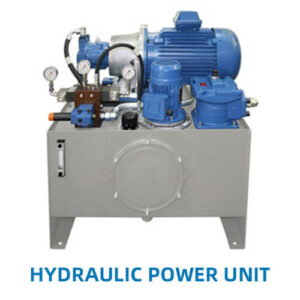
These marine winches provide high pulling power, smooth line control, reliable braking performance, and efficient load handling during offshore operations. Advanced hydraulic and electric systems improve operational precision while reducing manual handling risks and increasing workplace safety.
Maintenance and Care
Regular inspection of wire ropes, drums, hydraulic systems, motors, bearings, brakes, and control systems helps maintain winch reliability and operational safety. Scheduled lubrication, corrosion protection, and preventive maintenance programs extend service life and minimize operational downtime.
Safety Considerations
Marine winches include overload protection systems, emergency stop controls, braking systems, and tension monitoring devices for safe operation. Operators must follow approved load limits, safe rigging procedures, and routine inspection requirements during marine pulling and lifting activities.
Advantages of Marine Winch
- Reliable marine pulling and lifting performance
- High load handling capacity for offshore operations
- Durable corrosion-resistant marine-grade construction
- Suitable for mooring, towing, anchoring, and cargo handling
- Precise line control and braking performance
- Available in hydraulic and electric winch configurations
- Improves operational efficiency and workplace safety
- Reduces manual handling risks during marine operations
- Long operational lifespan with proper maintenance
- Supports heavy-duty offshore and maritime applications
Considerations for Marine Winch
- Select winch capacity based on operational load requirements
- Ensure compatibility with vessel systems and deck layout
- Verify compliance with marine lifting and offshore safety regulations
- Conduct regular inspection of wire ropes, brakes, and control systems
- Ensure proper lubrication and preventive maintenance schedules
- Monitor working load limits during operation
- Choose corrosion-resistant materials for offshore environments
- Ensure trained personnel operate marine winch systems safely
- Consider hydraulic or electric drive requirements before installation
- Select class-approved marine winches certified for offshore applications