Key Features of Warping Roller
Design and Construction
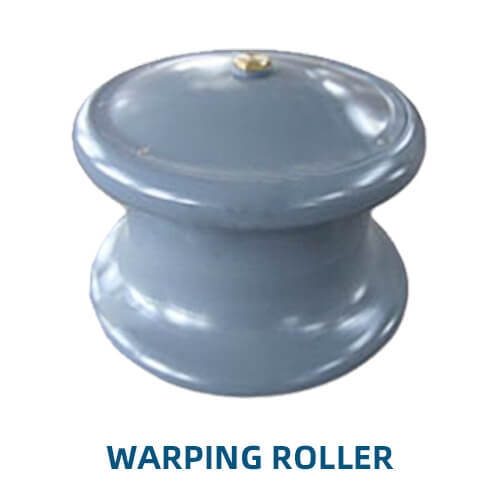
Warping rollers feature robust steel or cast steel construction with precision-machined roller surfaces engineered for smooth rope movement and high load handling. Manufacturers use corrosion-resistant coatings, reinforced shafts, and heavy-duty bearings to ensure reliable performance in harsh marine and offshore conditions.
Types
Warping rollers are available in horizontal rollers, vertical rollers, deck-mounted rollers, pedestal-mounted rollers, single rollers, double rollers, and customized marine rope guidance systems. Different configurations support varying vessel mooring arrangements and offshore operational requirements.
Applications
Marine warping rollers are widely used for mooring operations, towing support, anchor handling, dockside rope guidance, and offshore line management. They guide mooring ropes and wire ropes safely while reducing friction and preventing rope damage during vessel operations.
Performance and Benefits
These warping rollers provide smooth rope handling, reduced abrasion, controlled line movement, and improved operational safety during marine mooring activities. Heavy-duty roller systems reduce rope wear while improving handling efficiency and extending rope service life in offshore operations.
Maintenance and Care
Regular inspection of rollers, shafts, bearings, mounting brackets, and protective coatings helps maintain reliable operational performance. Scheduled lubrication, corrosion protection, and preventive maintenance reduce wear and extend equipment lifespan in marine environments.
Safety Considerations
Warping rollers must operate within certified load capacities and approved mooring procedures. Operators should inspect roller alignment, bearing condition, and rope positioning regularly to prevent excessive rope wear, unsafe tension loads, and operational failures during marine activities.
Advantages of Warping Roller
- Smooth rope guidance for safe marine mooring operations
- Reduces rope friction and abrasion during line handling
- Durable heavy-duty construction for offshore environments
- Improves mooring efficiency and operational safety
- Suitable for ships, ports, and offshore platforms
- Corrosion-resistant marine-grade materials for long service life
- Supports wire ropes and synthetic mooring lines
- Reduces rope wear and maintenance requirements
- Reliable performance in harsh marine conditions
- Low maintenance with strong structural durability
Considerations for Warping Roller
- Select roller size based on rope diameter and operational load requirements
- Ensure compatibility with vessel mooring systems and deck layout
- Verify compliance with marine mooring and offshore safety standards
- Conduct regular inspection of bearings, shafts, and mounting structures
- Maintain proper lubrication and corrosion protection procedures
- Monitor rope alignment to minimize uneven wear during operation
- Choose corrosion-resistant materials for offshore environments
- Ensure secure installation and proper structural support onboard
- Replace worn bearings or damaged roller surfaces immediately
- Select class-approved warping rollers certified for marine applications