Key Features of Mobile Crane
Design and Construction
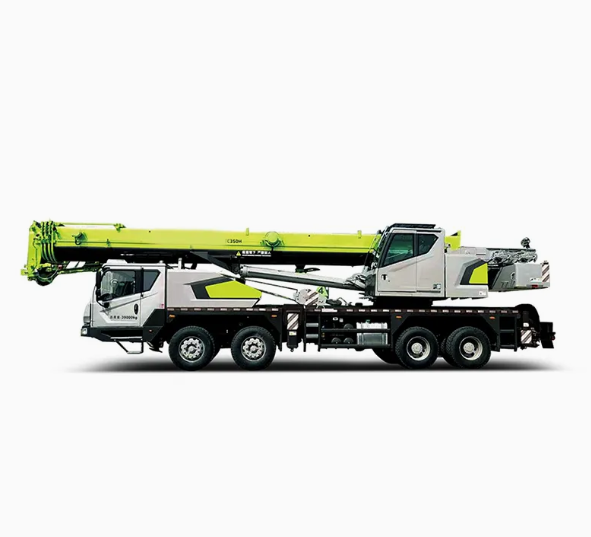
Mobile cranes feature reinforced steel structures, telescopic booms, hydraulic lifting systems, and heavy-duty chassis engineered for demanding lifting operations. Manufacturers design these cranes with corrosion-resistant components, advanced stability systems, and durable construction to ensure reliable performance in marine, offshore, and industrial environments.
Types
Mobile cranes are available in truck-mounted cranes, all-terrain cranes, rough terrain cranes, crawler cranes, hydraulic mobile cranes, telescopic boom cranes, and compact lifting systems. Different lifting capacities and boom configurations support diverse offshore, marine, and construction operational requirements.
Applications
Mobile cranes are widely used for cargo handling, offshore support operations, shipyard maintenance, marine construction projects, heavy equipment installation, port operations, and industrial lifting tasks. They support flexible lifting operations across vessels, offshore platforms, ports, and marine infrastructure projects.
Performance and Benefits
These mobile cranes deliver high lifting capacity, rapid deployment, excellent maneuverability, and precise load control during lifting operations. Advanced hydraulic systems and telescopic boom technology improve lifting efficiency while reducing setup time and operational downtime in offshore and marine environments.
Maintenance and Care
Regular inspection of hydraulic systems, wire ropes, boom sections, tires, outriggers, hooks, and safety devices helps maintain lifting reliability and operational safety. Scheduled lubrication, preventive maintenance, and corrosion protection extend equipment lifespan and reduce unexpected breakdowns.
Safety Considerations
Mobile cranes include overload protection systems, load moment indicators, emergency stop functions, anti-two block systems, and outrigger stabilization controls for safe lifting operations. Operators must follow approved lifting procedures, working load limits, and site safety requirements during offshore and marine lifting activities.
Advantages of Mobile Crane
- High lifting capacity with excellent operational mobility
- Fast deployment and flexible lifting operations
- Suitable for marine, offshore, and industrial applications
- Durable heavy-duty construction for harsh environments
- Precise hydraulic boom control and load handling
- Reduces manual lifting risks and operational delays
- Available in multiple crane capacities and configurations
- Easy transportation between offshore and project locations
- Improves cargo handling and construction efficiency
- Supports safe and reliable heavy lifting operations
Considerations for Mobile Crane
- Select crane capacity based on lifting requirements and operational conditions
- Ensure compatibility with offshore, marine, or construction project requirements
- Verify compliance with lifting safety regulations and inspection standards
- Conduct regular inspection of hydraulic systems and lifting components
- Ensure proper ground stability and outrigger positioning before operation
- Monitor working load limits during lifting activities
- Choose corrosion-resistant equipment for marine environments
- Maintain scheduled preventive maintenance and lubrication programs
- Ensure certified operators handle mobile crane operations
- Select class-approved or certified cranes for offshore and marine projects